
When cataracts are removed, your surgeon replaces the cloudy lens with a clear artificial lens. That lens determines how your eyes focus light. Some lenses prioritize distance vision. Others allow a broader range of vision across multiple distances.
Best for: Patients who want the sharpest distance vision.
Most people will still use reading glasses for near tasks. Often chosen by patients who:
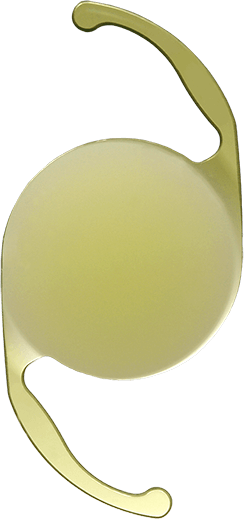
Best for: Patients who want clear vision at distance and intermediate ranges.
Patients may still use reading glasses for very small print. Often chosen by patients who:
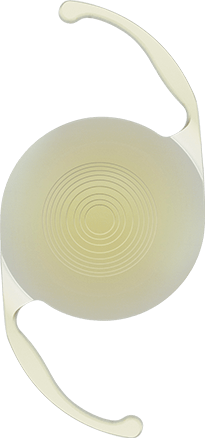
Best for: Patients who want the broadest range of vision across distance, intermediate, and near.
Many patients experience significantly reduced dependence on glasses. Often chosen by patients who:
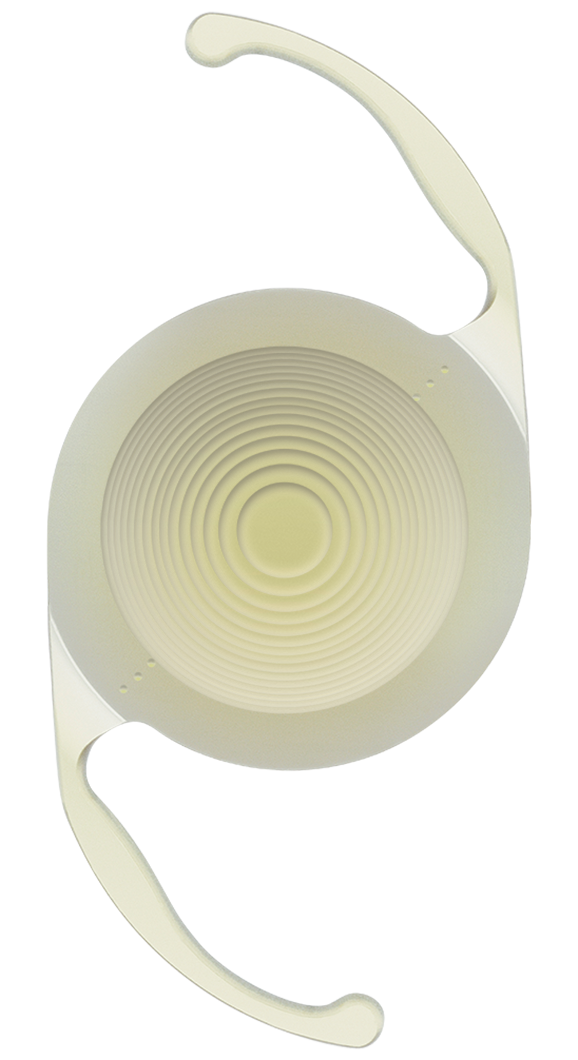
Important to know: There isn’t one “best” lens — only the lens that best matches your eyes and your lifestyle.
At Desert Vista, your surgeon will help guide this decision with you, taking the time to understand your vision, your lifestyle, and the outcome you’re hoping for.
Your daily activities often guide lens selection. Ask yourself:
Would I prefer sharp distance
vision and use reading glasses?
Or would I prefer a wider range of vision with
less reliance on glasses?
Consider how your vision supports activities like:
Discover which lens category may be the best fit for your lifestyle after cataract surgery. This short quiz takes about 2 minutes and is designed to help guide your conversation with your doctor.
Take the 2-Minute Lifestyle Lens QuizChoosing a lens is an important step, but it’s not something you need to figure out by yourself. During your cataract consultation we will:


No. Your consultation is designed to help you understand your options. Your surgeon will evaluate your eyes, learn about your lifestyle, and walk you through the lens choices that may work best for you. You don’t need to decide anything before that appointment.
The best lens depends on your eyes and how you use your vision every day. During your consultation, your surgeon will review detailed measurements and talk with you about things like reading, computer use, driving, and hobbies. Together, you’ll choose the option that fits your vision goals.
Some patients still use glasses for certain tasks, while others reduce their dependence on them. It depends on the type of lens you choose and how your eyes heal. Your surgeon will explain what you can realistically expect based on your specific situation.
These lenses are designed to help you see at different distances.
Your surgeon will help explain which options may work best for your eyes and lifestyle.

If you’ve been diagnosed with cataracts, your next visit with…
If cataract surgery becomes the right step for you, one…
Hearing the words “You have cataracts” can raise a lot…
 ⇧
⇧


