Skip to main menu Skip to main content Skip to footer

Check Cataract Symptoms

Is Your Vision Getting Cloudy, Blurry, or Harder to Trust?

You may be noticing early signs of cataracts.
This page will help you understand what might be happening, when to get your eyes checked, and what to expect at your evaluation.

No pressure. Just clear answers about your vision.

What Is a Cataract?

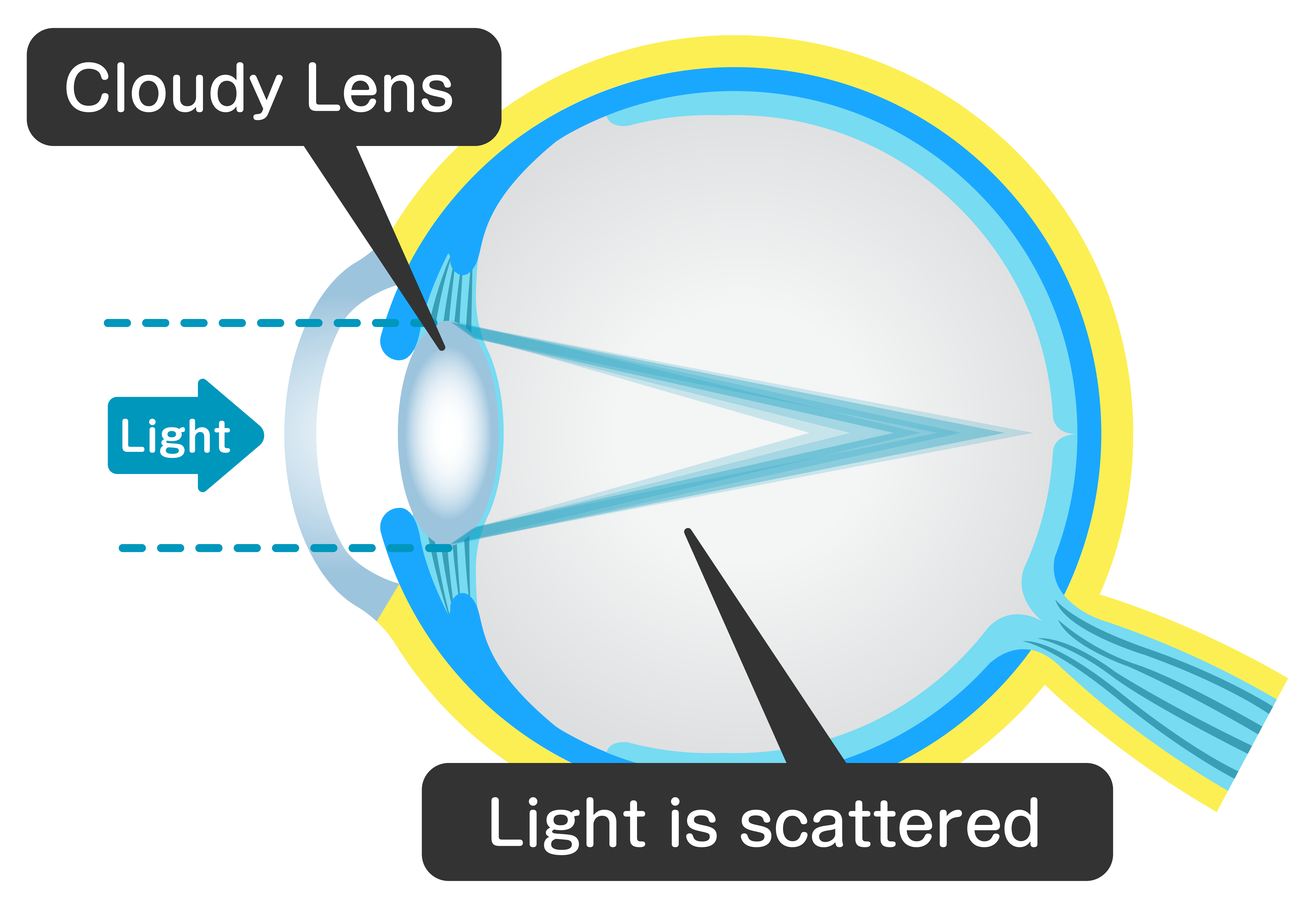
A cataract happens when the clear lens inside your eye becomes cloudy.

As the lens changes, light can no longer pass through clearly, which makes vision appear blurred, dull, or hazy.

Many people describe it as looking through a foggy window or a dirty windshield.

Cataracts develop slowly and are a very common part of aging. The good news is that when cataracts begin to affect daily life, they can be treated safely and effectively.

Clear Vision, Greater Freedom

For many patients, cataract surgery is more than restoring clarity. It’s an opportunity to think about how you’d like your vision to function every day.

If reducing your reliance on glasses is important to you, let’s explore what that could mean.

How Lens Choices Affect Daily Life
See how different lenses support different lifestyles.

What “Reducing Dependence” Really Means
Understand what’s realistic and what to expect.

Finding the Right Fit for You
Discover how your daily activities guide the decision.

Confidence Begins with Clarity

Cataract surgery is a lasting decision. Taking time to understand your options is a thoughtful and important step.

Let’s walk through the differences clearly so you can feel confident in your choice.

How Lens Options Compare
Understand how each option restores vision — and where they differ.

Benefits and Considerations
Learn about visual outcomes and adjustments in straightforward terms.

How We Help You Decide
See how your consultation brings clarity to the final decision.

Common Signs of Cataracts

Cataracts usually develop gradually. Many people adjust to the changes without realizing how much their vision has changed. You may notice:

Blurry or cloudy vision
Difficulty seeing at night
Glare or halos around lights
Colors looking faded or yellowed
Needing brighter light to read
Frequent changes in your glasses prescription

If these symptoms sound familiar, it may be time to have your eyes checked.

Schedule a Cataract Consultation


When Do Cataracts Become a Problem?

Many people have early cataracts without needing treatment right away.

However, it may be time to consider evaluation if vision changes start affecting daily life, such as:

  • Driving at night
  • Reading or using digital screens
  • Seeing road signs clearly
  • Recognizing faces
  • Feeling confident in low-light settings

You do not need to wait until your vision is very poor to get answers.

A simple evaluation can tell you exactly what is happening.

Schedule A cataract Evaluation

What to Expect at Your Cataract Evaluation

Your visit is designed to give you answers — not pressure.

Most patients leave their appointment with a much clearer understanding of their vision and next steps.

Schedule Your Cataract Evaluation

During your evaluation, we will:

  • Check your vision and eye health
  • Determine whether cataracts are affecting your sight
  • Discuss how vision changes are impacting your daily life
  • Explain treatment options clearly
  • Answer your questions so you can make an informed decision

You Don’t Have to Figure This Out Alone

It is completely normal to have questions about your vision.

Our team helps people navigate cataracts every day — from early symptoms to treatment decisions.

We will take the time to explain:

  • What your symptoms mean
  • Whether treatment is needed now or later
  • What your options are
  • What results you can realistically expect

Our goal is simple: help you see clearly and feel confident about your decision.

Talk to a Cataract Counselor

If Cataract Treatment Becomes the Right Step

When cataracts begin to interfere with daily life, treatment may include replacing the cloudy lens with a clear artificial lens.

Today’s lens options can do more than restore vision — they can also reduce dependence on glasses for many people. If you’re curious about what’s possible:

A Few Questions Only You Can Answer

Take a moment to imagine how your daily routine might feel with fewer interruptions from glasses.

These aren't just rhetorical, patients who've thought about these questions tend to feel more confident in their choices.

After surgery, would you rather reach for readers occasionally or never think about glasses at all?

What activities do you miss or avoid because of your vision?

If you woke up tomorrow and could see clearly without glasses, what's the first thing you'd do?

“I always tell my patients, you don’t have to have everything figured out before you come in. That’s what we’re here for.”

— Judy, Cataract Counselor
Cincinnati Eye Institute

Frequently Asked Questions

What is a cataract?

A cataract is a clouding of the natural lens inside the eye that gradually affects how clearly you see.

How do I know if I have cataracts?

Blurred vision, glare at night, faded colors, and frequent prescription changes are common signs. An eye exam is the only way to confirm the diagnosis.

Do cataracts always require surgery?

Not always. Early cataracts may simply be monitored until they begin affecting daily life.

Is cataract surgery safe?

Cataract surgery is one of the most commonly performed procedures in medicine and has a long record of safety and success.

How long does cataract surgery take?

The procedure itself is usually brief, though your total visit will be longer.

Start
What is a Cataract?
Check Symptoms
Is it Time for an Evaluation?
Your Evaluation
Cataract Counseling
Lenses
FAQs
Next Step: Evaluation

Clear Answers Start with a Simple Eye Evaluation

If your vision is changing, the best next step is a professional evaluation.

Our team will help you understand exactly what is happening and what options are available.

Schedule Your Cataract Evaluation Take the Cataract Self-Test